



A cryptocurrency wallet is one of the most important tools in the crypto ecosystem. Whether someone owns Bitcoin, Ethereum, stablecoins, NFTs, or other digital assets, understanding how wallets work is essential.
However, crypto wallets can be confusing for beginners.
A wallet does not simply “store coins” in the same way a physical wallet stores cash. Instead, it provides the tools needed to manage cryptographic keys and interact with blockchain networks.
The most important concept to understand is this:
Your crypto assets exist on the blockchain. Your wallet helps you control and interact with them.
This guide explains hot wallets, cold wallets, hardware wallets, seed phrases, private keys, public addresses, wallet security, and common mistakes beginners should avoid.
Important: This article is for educational purposes only. Cryptocurrency involves financial and security risks. Never share a private key or recovery phrase with anyone.


6
What Is a Cryptocurrency Wallet?
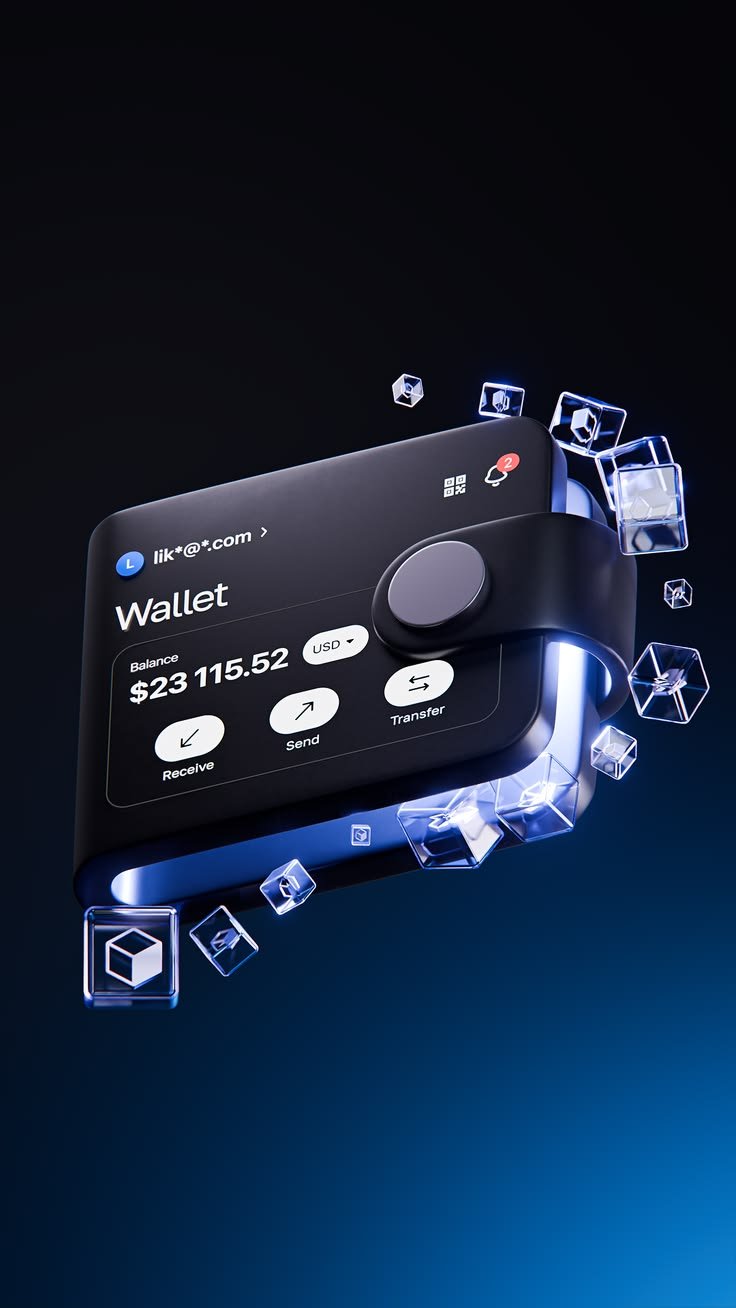
A cryptocurrency wallet is software, hardware, or another system that allows users to manage cryptographic keys and interact with blockchain networks.
Depending on the wallet, users may be able to:
- Receive cryptocurrency
- Send cryptocurrency
- View balances
- Sign transactions
- Connect to decentralized applications
- Manage tokens
- Manage NFTs
- Interact with smart contracts
A wallet does not contain the blockchain itself.
The blockchain maintains the transaction history and asset state.
What Is a Public Address?
A public address is an identifier that can be shared with others so they can send cryptocurrency to you.
Think of it somewhat like an account number for receiving funds.
For example:
Sender → Your Public Address → Blockchain
Public addresses can generally be shared.
However, users should still verify the address carefully before receiving or sending assets.
What Is a Private Key?
A private key is a secret cryptographic value that can be used to authorize transactions associated with a blockchain address.
The private key should never be shared.
Anyone who gains control of the relevant private key may potentially gain control over the associated assets.
This is why wallet security is so important.
Public Key vs Private Key
The basic distinction is:
Public information → Can be shared
Private key → Must remain secret
A useful rule is:
Your public address is for receiving. Your private key is for controlling.
What Is a Seed Phrase?
A seed phrase, also called a recovery phrase, is a sequence of words generated by many cryptocurrency wallets.
It can be used to restore access to a wallet.
A common seed phrase may contain 12 or 24 words, although formats can vary.
The exact words and order are extremely important.
If someone gets your seed phrase, they may be able to restore the wallet elsewhere and control its assets.


6
Never Share Your Seed Phrase
A legitimate wallet support representative should not need your seed phrase.
Be extremely suspicious if someone asks for:
- Seed phrase
- Recovery phrase
- Private key
- Wallet password
- Backup words
Scammers often impersonate:
- Wallet support
- Exchange employees
- Blockchain companies
- Customer service agents
- Crypto influencers
Never send your recovery phrase through email, WhatsApp, Telegram, social media, or chat.
What Are Hot Wallets?
A hot wallet is generally a wallet connected to the internet or used through an internet-connected device.
Examples can include:
- Mobile wallets
- Browser wallets
- Desktop wallets
- Web-based wallets
Hot wallets are convenient because they make it easy to interact with blockchain applications.
However, internet-connected environments can expose users to phishing, malware, malicious websites, and other threats.
What Are Cold Wallets?
A cold wallet generally refers to a wallet or key-management setup designed to keep private keys offline or isolated from internet-connected environments.
Hardware wallets are a common example.
Cold storage is often considered useful for long-term custody because it can reduce exposure to certain online attacks.
However, cold wallets are not automatically risk-free.
Users can still lose funds through:
- Fake devices
- Fake applications
- Seed phrase theft
- Incorrect transaction signing
- Physical loss
- Poor backup practices
Hot Wallet vs Cold Wallet
| Feature | Hot Wallet | Cold Wallet |
|---|---|---|
| Internet exposure | Higher | Generally lower |
| Convenience | High | Moderate |
| Everyday transactions | Convenient | Less convenient |
| Long-term storage | Depends on risk | Often preferred |
| Security responsibility | High | High |
| Main risk | Online attacks | Key/backup loss and user mistakes |
The right choice depends on how the wallet will be used.
What Is a Hardware Wallet?
A hardware wallet is a physical device designed to protect private keys and allow users to sign transactions.
The idea is to keep sensitive key material isolated from a general-purpose computer or smartphone.
A typical process may look like:
Wallet → Transaction prepared → Hardware device verifies/signs → Blockchain transaction submitted
The exact architecture differs between devices.
Why Hardware Wallets Can Be Useful
Hardware wallets can provide additional protection against certain types of malware and online attacks.
They can be particularly useful for people managing significant amounts of cryptocurrency.
But buying a hardware wallet does not automatically make someone secure.
The setup process matters.
Beware of Fake Hardware Wallets
Only purchase hardware wallets through trustworthy official channels or carefully verified authorized sellers.
A compromised device could potentially expose your assets.
Also verify:
- Device authenticity
- Firmware
- Official software
- Packaging
- Setup instructions
Never use a device that arrives with a pre-written recovery phrase.
A genuine wallet should normally generate the recovery information during setup according to its documented process.
What Is a Custodial Wallet?
A custodial wallet is one where another company or service controls the private keys on behalf of the user.
Many centralized exchanges use custodial arrangements.
Advantages may include:
- Easy account recovery
- Simple interface
- Convenient trading
- Customer support
Disadvantages may include:
- Dependence on the company
- Withdrawal restrictions
- Account freezes
- Counterparty risk
What Is a Non-Custodial Wallet?
With a non-custodial wallet, the user generally controls the private keys.
This gives the user greater control.
But it also means greater responsibility.
If you lose your recovery phrase and have no valid backup, there may be no company capable of restoring access.
Custodial vs Non-Custodial
Custodial
Company controls keys → User accesses account
Non-Custodial
User controls keys → User controls access
Neither model is perfect.
The right choice depends on the user’s experience, security practices, and intended use.
What Is Self-Custody?
Self-custody means controlling your own cryptocurrency keys rather than relying on a third party to hold them.
It provides independence from a centralized custodian.
However, self-custody requires careful management of:
- Private keys
- Seed phrases
- Backups
- Devices
- Passwords
- Transaction approvals
With greater control comes greater responsibility.
What Happens If You Lose Your Seed Phrase?
If a wallet uses a seed phrase as its recovery mechanism and you lose that phrase, recovering access may be impossible.
This is one of the most serious risks of self-custody.
That is why users should create secure backups.
Do not rely on memory alone.
How Should a Seed Phrase Be Stored?
The exact best method depends on the user’s circumstances.
General security principles include:
- Keep it offline.
- Never photograph it.
- Do not store it in email.
- Avoid cloud storage.
- Do not send it to yourself in messaging apps.
- Protect it from fire and water.
- Consider a durable physical backup for long-term storage.
- Keep backups in secure locations.
Never put the recovery phrase into an unfamiliar website to “verify” your wallet.
What Is a Wallet Backup?
A wallet backup is a method of preserving the information necessary to recover wallet access.
For many wallets, the recovery phrase is the most important backup.
If the device is lost or damaged, the recovery phrase may allow the wallet to be restored on another compatible wallet application.
What Is a Wallet Password?
Some wallets use a password to protect the application or device.
A password and a seed phrase are not necessarily the same thing.
A wallet password may protect access to a specific application or device.
A seed phrase can potentially restore the underlying wallet.
Never assume that losing an application password is equivalent to losing the seed phrase.
What Is a Passphrase Wallet?
Some wallet systems support an additional passphrase on top of the recovery phrase.
This can create additional wallet configurations.
However, passphrases are advanced security features.
If the passphrase is forgotten, the corresponding wallet may become inaccessible even if the original seed phrase is available.
Beginners should understand the recovery process completely before using advanced features.
Wallet Addresses Are Network-Specific
One of the most important rules in crypto is:
Always check the network before sending assets.
The same or similar-looking asset may exist across multiple networks.
For example, stablecoins can be issued on different blockchains.
Sending an asset using an unsupported network can create serious recovery problems.
Always Verify Before Sending
Before confirming a transaction, check:
1. Asset
Are you sending BTC, ETH, USDT, USDC, or another token?
2. Network
Are you using the correct blockchain?
3. Address
Is the destination address correct?
4. Amount
Did you enter the correct amount?
5. Fee
Is the transaction fee reasonable?
6. Destination
Are you sending to the correct person or service?
For large transfers, consider sending a small test transaction first.
What Is Address Poisoning?
Address poisoning is a scam technique in which an attacker creates an address that looks similar to one you have previously used.
They may send a tiny transaction to your wallet so the address appears in your transaction history.
The goal is to trick you into copying the wrong address later.
Never select an address simply because it looks familiar.
Verify the complete address or use trusted address-book features where available.
What Is Clipboard Malware?
Some malware can monitor copied cryptocurrency addresses.
You copy the intended address, but the malware replaces it with an attacker’s address before you paste it.
Always verify the destination address on your wallet device before approving a transaction.
Beware of Fake Airdrops
Scammers may advertise free tokens and ask users to connect their wallets to a website.
The website may request dangerous permissions.
Never connect a wallet to an unfamiliar website just because it promises free cryptocurrency.
What Are Token Approvals?
On smart-contract networks, users may sometimes approve a contract to access specific tokens.
This can be useful for DeFi applications.
However, malicious or compromised contracts can create risks.
Review token approvals periodically and revoke permissions you no longer need where appropriate.
Wallet Security Checklist
Use this simple checklist:
✅ Enable strong device security
Use a secure PIN, password, or biometric protection.
✅ Keep software updated
Install legitimate wallet updates from trusted sources.
✅ Protect your seed phrase
Never share it.
✅ Verify transaction details
Check the address, network, token, and amount.
✅ Avoid suspicious websites
Do not connect your wallet to unknown applications.
✅ Use separate wallets when appropriate
Some users keep one wallet for everyday Web3 activity and another for long-term holdings.
✅ Keep backups
Make sure you can recover the wallet if your device is lost.
One Wallet or Multiple Wallets?
There is no requirement to use only one wallet.
Some users separate funds according to purpose.
For example:
Wallet A → Long-term holdings
Wallet B → Everyday transactions
Wallet C → Experimental Web3 applications
This can reduce the amount of valuable assets exposed to risky applications.
However, managing multiple wallets also increases complexity.
What Is a Burner Wallet?
A burner wallet is generally a wallet created for temporary or limited use.
It may contain only a small amount of cryptocurrency.
Some users use burner wallets when interacting with unfamiliar or experimental applications.
The purpose is to limit potential exposure.
However, a burner wallet should not be treated as a guarantee of safety.
Wallet Security for Beginners
If you are new to cryptocurrency, start slowly.
Learn how:
- Addresses work
- Networks work
- Transactions work
- Seed phrases work
- Fees work
- Smart contracts work
Then test with a small amount.
Making a small mistake with a small transaction can become a valuable learning experience without creating a major financial loss.
Common Wallet Mistakes
Sending to the Wrong Address
Blockchain transactions may not be reversible.
Using the Wrong Network
Always confirm network compatibility.
Sharing a Seed Phrase
This can give someone complete control of the wallet.
Downloading Fake Wallet Software
Only use verified official sources.
Signing Unknown Transactions
Read what your wallet is asking you to approve.
Keeping Everything in One Wallet
Separating risk can sometimes be useful.
Ignoring Software Updates
Outdated software can contain known vulnerabilities.
Frequently Asked Questions
Does a crypto wallet store cryptocurrency?
The blockchain records ownership and transactions. A wallet manages the keys and information needed to interact with those assets.
What is the safest crypto wallet?
There is no universal safest wallet. Security depends on the wallet technology, device, software, backup strategy, and user’s behavior.
Are hardware wallets completely safe?
No. They can reduce certain online risks but cannot prevent every type of attack or user error.
Can someone steal crypto with only a wallet address?
A public address alone normally does not give someone control of the funds. Private keys or recovery credentials are what must remain secret.
Should I share my seed phrase with wallet support?
No. A legitimate support representative should not require your recovery phrase.
What happens if my phone is lost?
If you have a valid backup and your wallet supports recovery, you may be able to restore access on another compatible device.
Can I have multiple crypto wallets?
Yes. Many users maintain multiple wallets for different purposes.
Final Thoughts
A cryptocurrency wallet is more than an app that displays a balance.
It is part of the security system that allows users to control blockchain assets.
The most important lessons are simple:
Protect your private keys.
Protect your recovery phrase.
Verify every transaction.
Check the network before sending.
Never trust strangers asking for wallet credentials.
Crypto gives users significant control over their assets, but that control comes with responsibility.
A good wallet strategy is not just about choosing the right application or hardware device. It is about building safe habits and understanding exactly what you are approving.