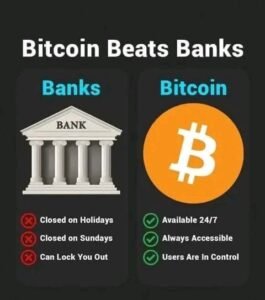





Cryptocurrency has changed the way millions of people think about money, payments, and digital ownership. Bitcoin introduced the idea of a digital currency that could operate without a traditional bank, while thousands of other crypto projects have since explored different uses for blockchain technology.
But if you are new to crypto, the terminology can be confusing. What exactly is cryptocurrency? How does it work? What is a blockchain? What are Bitcoin and Ethereum? And how can beginners use crypto safely?
This guide explains the basics in simple language so you can understand the cryptocurrency ecosystem before making any decisions.
Important: Cryptocurrency can be highly volatile and involves significant risk. This article is for educational purposes and is not financial or investment advice.
What Is Cryptocurrency?
Cryptocurrency is a type of digital asset that uses cryptographic technology to help secure transactions and control the creation or transfer of units.
Unlike traditional currencies such as the US dollar, euro, or Pakistani rupee, many cryptocurrencies are designed to operate on decentralized networks rather than relying entirely on a central bank.
In simple terms, cryptocurrency allows people to transfer digital value using a computer network.
Bitcoin was the first widely successful cryptocurrency. It was launched in 2009 and introduced a system where transactions could be recorded on a distributed digital ledger without requiring a traditional financial institution to process every transaction.
Today, cryptocurrency includes many different types of digital assets with different purposes.
How Does Cryptocurrency Work?
Most cryptocurrencies use blockchain technology.
A blockchain is essentially a digital ledger maintained by a network of computers. Transactions are grouped together and recorded in blocks. These blocks are connected chronologically, creating a chain of records.
A simplified crypto transaction works like this:
You send crypto → the transaction is broadcast → the network verifies it → the transaction is recorded → the recipient receives the funds.
Depending on the cryptocurrency, transactions may be verified through different consensus mechanisms.
What Is a Blockchain?
Imagine a public digital record book that is copied across thousands of computers.
Instead of one company keeping the only copy, participating computers can maintain copies of the ledger. Changes to the ledger must follow the network’s rules.
This distributed structure is one of the key ideas behind many cryptocurrency systems.
Blockchains can also do more than record payments. Some networks support smart contracts, decentralized applications, digital assets, financial services, and other programmable systems.
Why Is Cryptocurrency Called “Crypto”?
The word “crypto” comes from cryptography.
Cryptography uses mathematical techniques to protect information and verify digital interactions.
In cryptocurrency systems, cryptographic methods can be used for things such as:
- Securing transactions
- Creating digital signatures
- Protecting private keys
- Verifying ownership
- Helping prevent unauthorized changes
This does not mean that every cryptocurrency works in exactly the same way. Different networks use different technical designs.
What Is Bitcoin?
Bitcoin (BTC) is the first and best-known cryptocurrency.
It was designed as a peer-to-peer electronic payment system that could operate without depending on a central authority for every transaction.
Bitcoin has a limited maximum supply of 21 million BTC, which is one reason it is often discussed as a scarce digital asset.
Bitcoin’s network uses a proof-of-work system. Specialized computers called miners compete to perform computational work that helps secure the network and process blocks.
Bitcoin can be used for transferring value, holding digital assets, and participating in the broader cryptocurrency ecosystem.
What Is Ethereum?
Ethereum is another major blockchain network, but its purpose goes beyond digital payments.
Ethereum introduced a platform for smart contracts—programs that can automatically execute predefined rules when their conditions are met.
This has allowed developers to build applications and systems on top of the Ethereum network.
Ethereum’s native cryptocurrency is called Ether (ETH).
ETH can be used to pay network fees, participate in Ethereum’s proof-of-stake network, and interact with applications built on Ethereum.
Bitcoin vs. Ethereum
Bitcoin and Ethereum are both major crypto networks, but they have different primary purposes.
| Feature | Bitcoin | Ethereum |
|---|---|---|
| Main asset | BTC | ETH |
| Primary focus | Digital money and settlement | Programmable blockchain |
| Smart contracts | Limited compared with programmable platforms | Major feature |
| Consensus | Proof of Work | Proof of Stake |
| Launch | 2009 | 2015 |
| Supply design | Maximum 21 million BTC | Different monetary model |
Neither should simply be considered a replacement for the other. They were designed with different goals and technologies.
What Are Altcoins?
The term altcoin generally refers to cryptocurrencies other than Bitcoin.
There are thousands of crypto assets, and they can have very different purposes.
Some projects focus on:
- Payments
- Smart contracts
- Decentralized finance
- Gaming
- Data services
- Infrastructure
- Stable digital currencies
- Tokenized assets
- Digital applications
Examples of well-known crypto assets include XRP, Solana (SOL), Cardano (ADA), Dogecoin (DOGE), and Chainlink (LINK).
A large market capitalization or popular name does not automatically mean that a cryptocurrency is safe or suitable for every person. Beginners should research a project before using or purchasing its tokens.
What Are Stablecoins?
Stablecoins are crypto assets designed to maintain a relatively stable value compared with a reference asset, often a fiat currency such as the US dollar.
Examples include USDT and USDC.
Stablecoins are commonly used within crypto markets because they can make it easier for users to move value between different blockchain-based services without constantly converting to traditional bank currencies.
However, “stable” does not mean “risk-free.” Users should understand how a particular stablecoin is backed, managed, and governed before relying on it.
What Is a Crypto Wallet?
A cryptocurrency wallet is a tool that allows users to interact with their crypto assets and manage the cryptographic keys associated with them.
Crypto wallets can generally be divided into two broad categories.
Hot Wallets
Hot wallets are connected to the internet.
Examples include:
- Mobile wallets
- Browser wallets
- Desktop wallets
They can be convenient for frequent transactions, but internet-connected wallets can have additional security risks.
Cold Wallets
Cold wallets are designed to keep private keys offline when they are not being used.
Hardware wallets are one common example.
Cold storage can reduce certain online attack risks, although users still need to protect their recovery information and physical device.
What Is a Private Key?
A private key is extremely important in cryptocurrency.
It is a cryptographic secret that can be used to authorize transactions involving assets controlled by a wallet.
If someone gains access to your private key or recovery phrase, they may be able to control the associated assets.
Never share your private key or recovery phrase with someone who asks for it.
A legitimate support representative should not need your secret recovery phrase to “unlock” your wallet.
What Is a Seed Phrase?
Many wallets use a recovery phrase, often consisting of a sequence of words.
This phrase can allow a user to restore access to a wallet if the original device is lost or damaged.
Treat your recovery phrase like a master key.
Do not:
- Post it online
- Send it through social media
- Store it in a public document
- Give it to strangers
- Enter it into an unknown website
- Take unnecessary screenshots of it
If somebody asks for your seed phrase to “verify” your account, that is a major warning sign.
How Do People Use Cryptocurrency?
Cryptocurrency has several potential uses.
1. Digital Payments
Some cryptocurrencies can be used to transfer value between users.
2. Investment and Trading
Some people buy and sell crypto assets hoping to benefit from price movements. This carries substantial risk because cryptocurrency prices can change rapidly.
3. Decentralized Finance
Blockchain networks can support financial applications that allow users to interact with lending, borrowing, trading, and other services through smart contracts.
4. Digital Ownership
Blockchain-based tokens can represent different types of digital assets and ownership rights.
5. Applications and Web3
Some blockchain networks provide infrastructure for decentralized applications, games, digital identity systems, and other Web3 projects.
What Are Crypto Exchanges?
A cryptocurrency exchange is a platform where users can buy, sell, or trade crypto assets.
Depending on the platform and jurisdiction, users may have access to features such as:
- Buying cryptocurrency with traditional currency
- Selling cryptocurrency
- Crypto-to-crypto trading
- Spot markets
- Advanced trading tools
- Deposits and withdrawals
Before using an exchange, check its reputation, security practices, supported countries, fees, withdrawal policies, and regulatory status where applicable.
Never assume that an exchange is safe simply because it is popular on social media.
What Are Crypto Fees?
Cryptocurrency transactions can involve network fees.
These fees can vary depending on the blockchain, transaction demand, and the type of transaction.
For example, a blockchain may become more expensive to use during periods of heavy activity.
Exchange platforms may also charge their own fees for trading, deposits, withdrawals, or other services.
Therefore, beginners should always check the total cost before confirming a transaction.
What Are the Benefits of Cryptocurrency?
Cryptocurrency and blockchain technology offer several potential advantages.
Global Accessibility
Many blockchain networks can be accessed from anywhere with an internet connection, although local laws and platform restrictions vary.
Peer-to-Peer Transfers
Crypto can allow users to transfer digital assets directly between compatible wallets without using a traditional payment intermediary for every transaction.
Transparency
Many public blockchains allow transaction information to be viewed through blockchain explorers.
Programmability
Smart-contract platforms allow developers to create programmable applications and financial systems.
Digital Ownership
Cryptographic keys can provide users with direct control over certain blockchain-based assets.
These advantages come with trade-offs, including technical complexity, security risks, volatility, and regulatory uncertainty.
What Are the Risks of Cryptocurrency?
Understanding the risks is just as important as understanding the technology.
Price Volatility
Crypto prices can move dramatically in short periods.
An asset that rises quickly can also fall quickly.
Scams
The crypto industry has attracted scammers who use fake investment opportunities, phishing websites, impersonation, fake tokens, and fraudulent projects.
Lost Access
If users lose their private keys or recovery information, recovering their assets may be impossible.
Regulatory Changes
Cryptocurrency regulations can differ between countries and may change over time.
Technical Risks
Smart contracts, exchanges, wallets, and blockchain networks can contain vulnerabilities or experience operational problems.
Irreversible Transactions
Many blockchain transactions cannot simply be reversed after confirmation. Sending assets to the wrong address can therefore result in permanent loss.
How Can Beginners Start Learning About Crypto?
You do not need to buy cryptocurrency to learn about it.
A safer learning path is:
Step 1: Understand Bitcoin and blockchain basics.
Step 2: Learn how wallets and private keys work.
Step 3: Understand crypto transactions and network fees.
Step 4: Learn about scams and security.
Step 5: Research different blockchain projects.
Step 6: Understand market volatility and risk management.
Step 7: Learn about the laws and regulations applicable to you.
Only after understanding these fundamentals should you consider whether cryptocurrency is appropriate for your personal circumstances.
How to Stay Safe in Crypto
Security should be a priority from the beginning.
Use strong, unique passwords and enable two-factor authentication where available.
Keep your recovery information private.
Double-check wallet addresses before sending funds.
Be suspicious of messages promising guaranteed profits or extremely high returns.
Avoid clicking unknown crypto links sent through social media or messaging apps.
Remember that scammers often create urgency. A message saying “send money now or your account will be closed” should immediately raise suspicion.
Cryptocurrency Glossary for Beginners
Blockchain: A distributed digital ledger used to record transactions and other data.
Bitcoin: The first major cryptocurrency and the largest by historical market recognition.
Altcoin: A general term for cryptocurrencies other than Bitcoin.
Wallet: A tool used to manage cryptographic keys and interact with blockchain assets.
Private Key: A secret cryptographic credential used to authorize transactions.
Seed Phrase: A recovery phrase that can be used to restore access to certain crypto wallets.
Smart Contract: A blockchain-based program that executes according to programmed rules.
Gas Fee: A fee associated with processing certain transactions on a blockchain network.
Stablecoin: A crypto asset designed to maintain a relatively stable value against a reference asset.
DeFi: Decentralized finance applications and services built using blockchain technology.
Frequently Asked Questions
Is cryptocurrency real money?
Cryptocurrency is a digital asset, but whether it is legally recognized as money or a payment method depends on the country and applicable regulations.
Is cryptocurrency safe?
Cryptocurrency technology can be secure when properly implemented, but using crypto involves risks such as scams, hacking, lost keys, volatility, and regulatory uncertainty.
Can beginners understand cryptocurrency?
Yes. You do not need advanced technical knowledge to understand the basic concepts. Start with blockchain, wallets, Bitcoin, transactions, and security.
Do I need a bank account to use cryptocurrency?
Not necessarily. Some crypto services can operate without a traditional bank account, although buying crypto with traditional currency may require a bank account, payment service, or exchange depending on the country.
Can cryptocurrency transactions be reversed?
Many blockchain transactions are effectively irreversible once confirmed. Always check the recipient address and transaction details before sending funds.
What is the most important crypto security rule?
Protect your private keys and recovery phrase. Never share them with strangers, websites, or people claiming they need them to recover your account.
Final Thoughts
Cryptocurrency is more than just a digital version of traditional money. It combines cryptography, distributed networks, blockchain technology, and programmable systems to create new ways of transferring and managing digital value.
Bitcoin introduced a decentralized approach to digital money. Ethereum expanded blockchain functionality through smart contracts, while other networks have explored payments, decentralized finance, gaming, infrastructure, digital assets, and many other applications.
For beginners, the most important step is education before action. Learn how wallets work, understand transaction fees, research projects carefully, recognize common scams, and never risk money you cannot afford to lose.
CryptoVexa will continue exploring cryptocurrency, blockchain technology, Bitcoin, Ethereum, altcoins, DeFi, Web3, security, trading concepts, and other topics to help readers build a stronger understanding of this rapidly developing industry.
Start with knowledge. Stay cautious. Do your own research.